
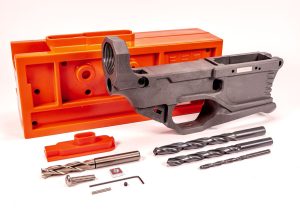
Understanding 80% Guns
“80% gun” and “80% lower” are common industry terms for partially complete firearm frames or receivers. The percentage is not a fixed federal legal classification. Whether a particular item is regulated as a firearm depends on the specific item, its condition and configuration, how readily it may be completed or assembled, how it is packaged or marketed with other parts, and the federal, state, and local laws that apply.
- Home builders may use partially complete components as the starting point for a personally configured firearm project.
- Materials, dimensions, compatibility, and the amount of work required vary by product.
- Some items or configurations may be legally classified as firearms and may require serialization, transfer through a Federal Firearms Licensee (FFL), a background check, or other records and documentation.
- State and local laws may impose stricter requirements or prohibit certain products, configurations, manufacturing activities, possession, or transfers.
- Customers must confirm current requirements before ordering, possessing, completing, assembling, transporting, or transferring any product.
Historical Context of 80% Guns
Federal firearms law has long distinguished between regulated firearms and items that have not reached the legal definition of a firearm. Modern manufacturing methods and parts kits have made those distinctions increasingly fact-specific. ATF evaluates frames, receivers, partially complete items, and certain kits based on their particular design, condition, configuration, packaging, and other relevant circumstances.
Because laws, regulations, agency guidance, and court decisions can change, older descriptions of unfinished frames or receivers as automatically “not firearms” or universally available without paperwork should not be treated as current legal guidance.
Benefits of Building an 80% Gun
- A build can be customized around preferred components, materials, ergonomics, and intended lawful use.
- Builders can select compatible factory or aftermarket components for a particular platform.
- A project can provide hands-on experience with firearm components and maintenance.
- Total cost varies and may include tooling, finishing equipment, compliant parts, transfer fees, serialization, or other legal requirements.
The 80% Gun Building Process
The work required depends on the specific component and platform. Before beginning any project, confirm product compatibility, follow the manufacturer’s instructions, use appropriate protective equipment, and verify that the planned activity and resulting configuration comply with all applicable laws.
Choosing the Right 80% AR-15 Component
- Confirm the platform, material, caliber compatibility, and required tooling.
- Review exactly what is included with the product and whether parts are sold or packaged together.
- Do not assume that products described with the same industry terminology have the same legal classification.
- Research current federal, state, and local requirements before purchasing or beginning work.
- Review our 80% AR-15 kits and components for available product information and restrictions.
Tools and Compatibility
Tooling varies by product. A project may require a compatible jig, drill bits, a drill press or other machining equipment, measuring tools, and ordinary hand tools. Use only equipment appropriate for the component and follow the product manufacturer’s instructions. No Quarter Innovations does not represent that every product can be completed with basic tools or without specialized knowledge.
Safety Considerations
- Follow established firearm-safety practices and treat every firearm as loaded.
- Wear appropriate eye, hearing, and hand protection when using tools.
- Keep the work area secure, well lit, ventilated, and free from distractions.
- Confirm proper assembly and function before live-fire use, and consult a qualified gunsmith when uncertain.
- Store firearms and components securely and away from unauthorized persons.
Compliance and Federal Laws
“80% lower” is an industry description, not a guaranteed legal status. Classification is fact-specific and can depend on the item itself, its stage of manufacture, configuration, packaging with other components, and how readily it can be completed or assembled.
- Some frames, receivers, partially complete items, or kits may be regulated as firearms under federal law.
- A regulated item may require markings or serialization, transfer through an FFL, a background check, and required records or documentation.
- Federal law generally requires an appropriate license for a person engaged in the business of manufacturing firearms for sale or distribution.
- Additional federal requirements may apply to particular firearm types or configurations.
- State and local laws may be more restrictive than federal law.
Customers are responsible for confirming current federal, state, and local requirements. This article provides general information only and is not legal advice.
80% Gun Components
Depending on the platform, a project may involve a frame or receiver component, jig or tooling, lower-parts components, an upper assembly or slide, barrel, stock or brace where lawful, sights, magazines, and other compatible accessories. Product descriptions should be reviewed carefully because included parts and legal classifications vary.
Maintenance and Care
- Clean and lubricate the completed firearm according to the manufacturer’s recommendations.
- Store it unloaded and secured against unauthorized access.
- Inspect components for wear, damage, or improper fit.
- Have safety or function concerns evaluated by a qualified gunsmith.
Cost Analysis
Building an AR-platform firearm from an 80% lower or related component is not always less expensive than purchasing a completed firearm. The total may include the component, compatible parts, tooling, finishing equipment, professional assistance, transfer fees, serialization, and other compliance costs. Compare the complete project cost and legal requirements before deciding which option fits your needs.
Frequently Asked Questions
Is “80% lower” a federal legal classification?
No. “80% lower” is an industry term rather than a fixed percentage or legal category in federal law. Classification depends on the specific item and relevant circumstances, including its condition, configuration, packaging, and how readily it may be completed or assembled.
Are all unfinished frames, receivers, and kits treated the same?
No. Similar marketing terms do not guarantee the same legal classification. Some individual items or packaged configurations may be regulated as firearms, while others may be treated differently. A product-specific determination and current applicable law control.
Can an unfinished component always be shipped directly to a customer?
No. If an item or configuration is classified as a firearm, federal transfer, background-check, recordkeeping, serialization, and FFL requirements may apply. State and local laws may impose additional restrictions even when federal treatment differs.
May a person manufacture a firearm for sale or distribution without a license?
Federal law generally requires an appropriate license for a person engaged in the business of manufacturing firearms for sale or distribution. Other federal, state, and local requirements may also apply.
Does a privately made firearm require a serial number?
Requirements depend on the circumstances and jurisdiction. Federal marking or serialization requirements can apply in certain situations, including when a privately made firearm enters an FFL’s inventory, and state or local law may impose broader requirements.
Do background-check or FFL requirements ever apply to these products?
Yes. They may apply when the specific item or configuration is legally classified as a firearm or when another applicable law requires an FFL transfer, background check, or documentation.
Can a privately made firearm be sold or transferred?
Transfers are governed by federal, state, and local law, and the facts matter. A person may not engage in the business of manufacturing firearms for sale or distribution without the appropriate license. Serialization, FFL transfer, background-check, and recordkeeping requirements may also apply.
Where should customers verify current requirements?
Customers should review current ATF information and applicable state and local government requirements and consult a qualified attorney when legal advice is needed. This article is general information and not legal advice.
Conclusion
An 80% firearm project can offer customization and hands-on experience, but product compatibility, safe workmanship, and legal compliance all require careful attention. Confirm the classification and requirements for the specific item and configuration before ordering or beginning a project, and follow all current federal, state, and local laws.